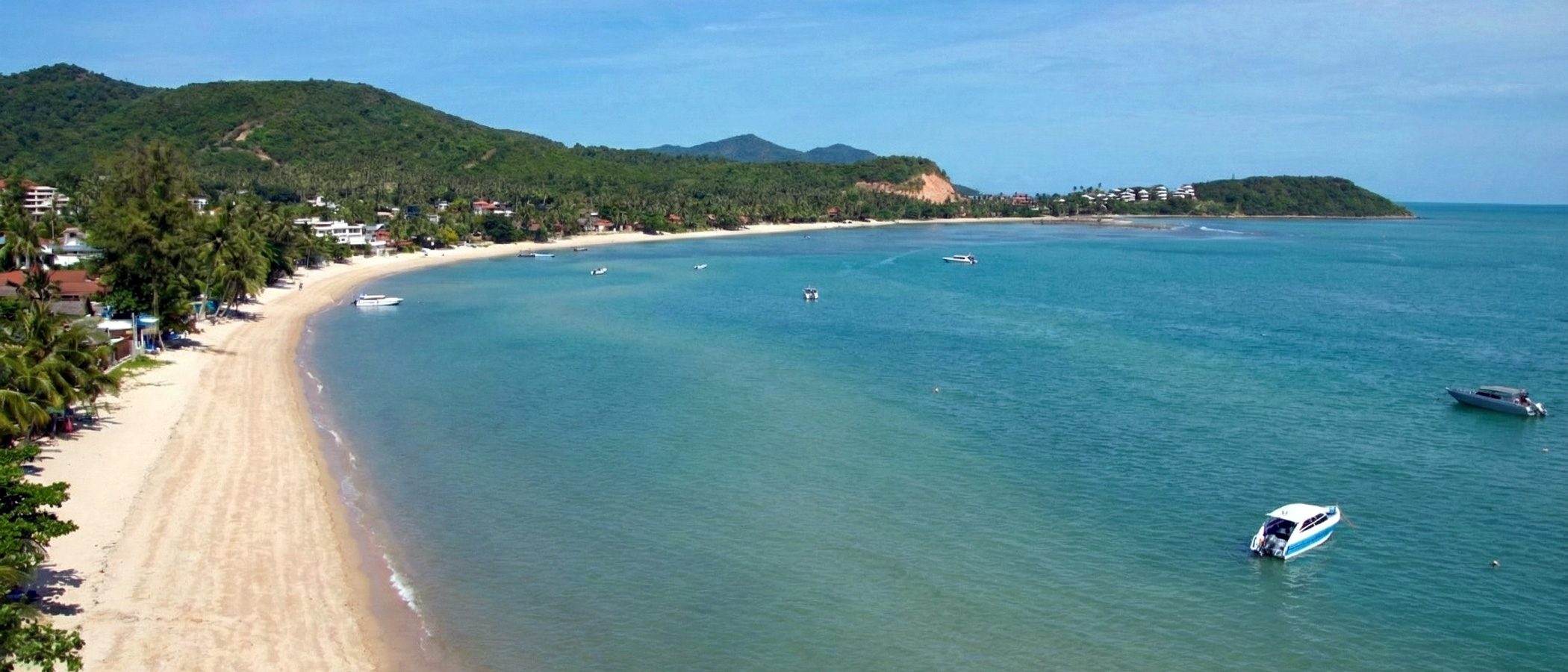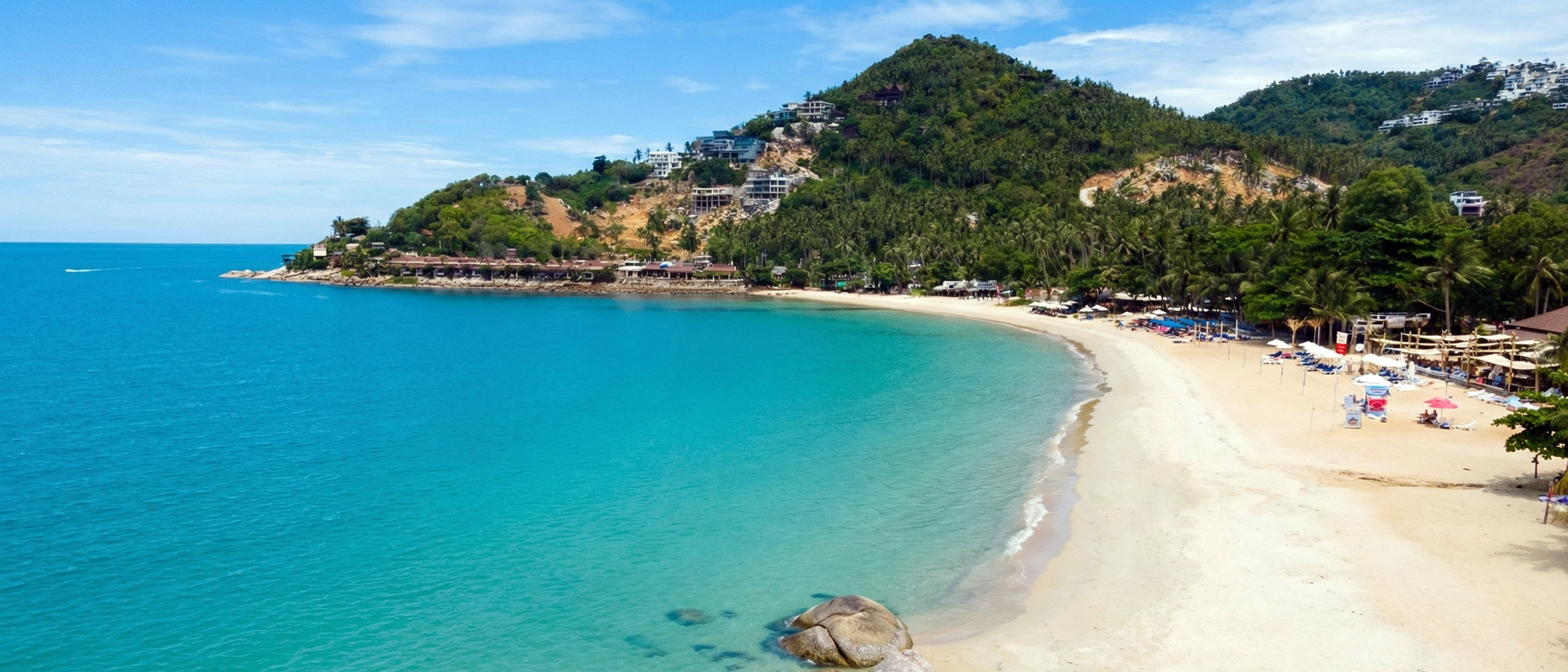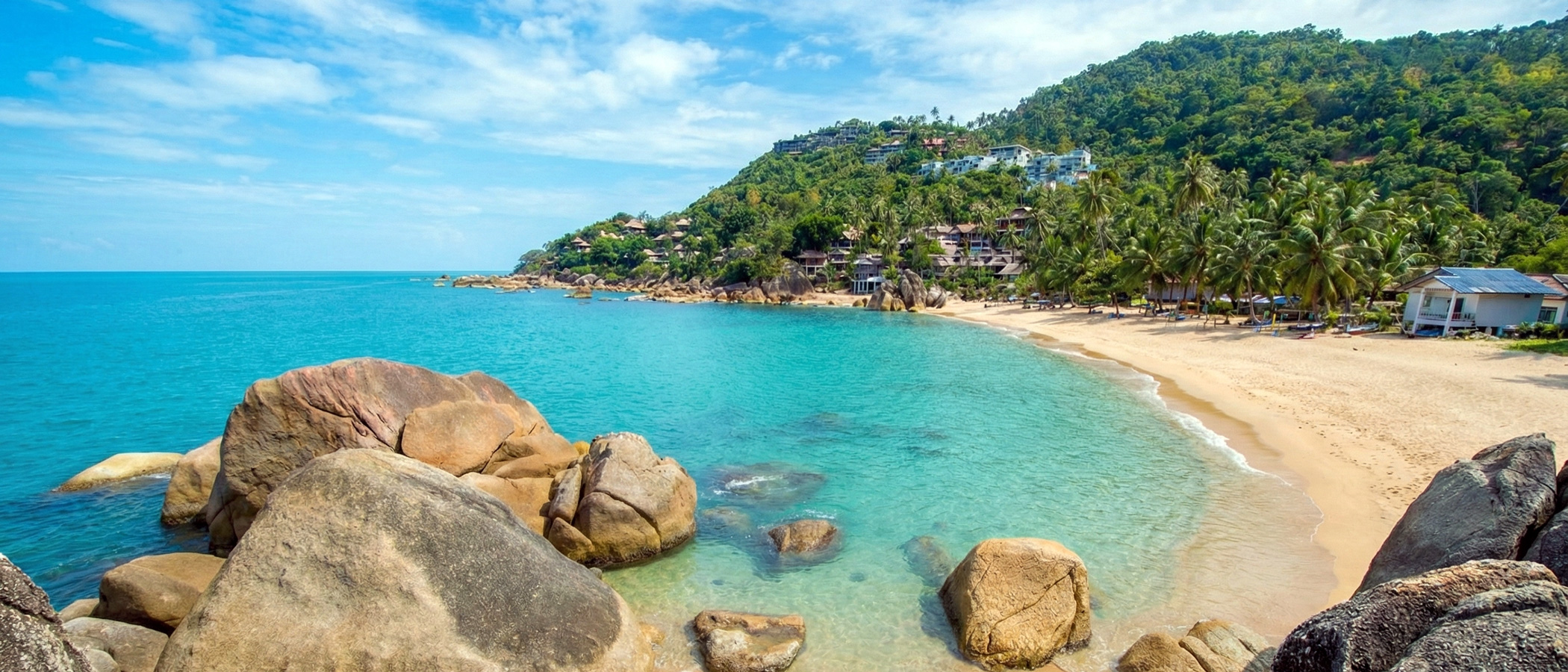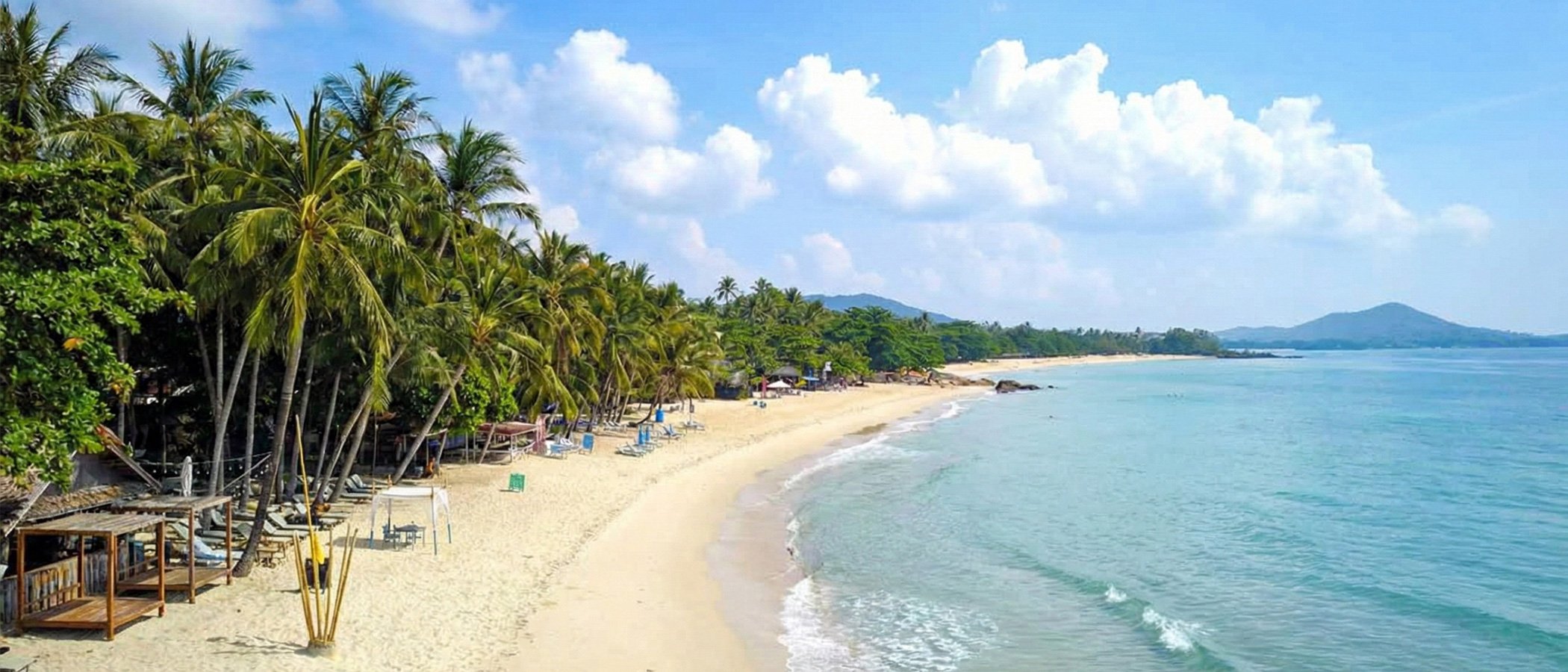
Chaweng Beach stretches along the east coast, making it Koh Samui's longest and most celebrated beach. The full coastline runs approximately 7 km from north to south, though the main beach strip — the busiest and most developed section — covers about 2–3 km through central Chaweng. The powdery white sand is excellent throughout most of the beach, with the best swimming along the central stretch where the sand is cleanest and the water clearest.
The northern end of the beach can have stones and algae in the water, making it less ideal for swimming. Chaweng's east-facing orientation makes it one of Koh Samui's best spots for sunrise.
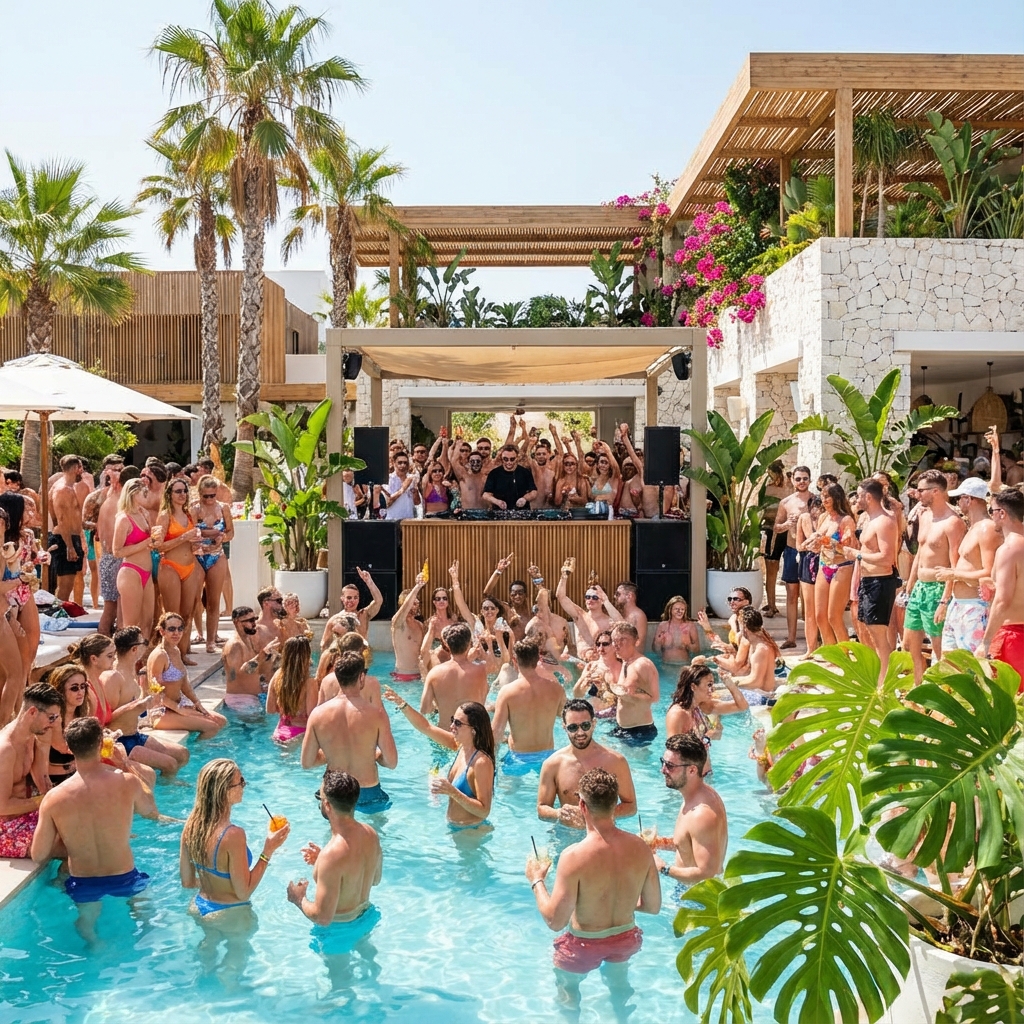
This is the island's social hub, where the beach party atmosphere comes alive especially in the evenings. From jet skiing and parasailing to beach volleyball, every water sport imaginable is available here. The extensive development means you'll never be far from restaurants, bars, shops, and convenience stores.
Parking can be challenging, particularly along the central strip. Police actively enforce illegal parking — use designated parking areas or hotel/venue parking where available. Many visitors arrive by scooter or taxi.
During the monsoon season (October–November) and storm events, Chaweng can experience strong currents, rip currents, high waves, and undertows. Red flags are posted when swimming is dangerous — always observe warning flags and avoid the water when they are displayed. Several serious incidents have occurred during storm conditions.
While the vibrant energy is part of its charm, those seeking tranquility should look elsewhere. The beach is extremely busy during all seasons, though early mornings before 8 AM and late evenings after 6 PM offer quieter moments.
What Makes It Special
- Lively beach party atmosphere, especially evenings
- Excellent for social connections and nightlife
- Rental sunbeds and umbrellas widely available
- Water sports: jet skiing, parasailing, paddleboarding
Activities
Seasonal Guide
High Season
December - MarchStandard tides, strong winds Feb-Mar create larger waves
Hot Season
April - SeptemberWider walking areas, more room for beach setup
Rainy Season
October - NovemberHigher tides reduce beach space, occasional storms. Watch for red flags — strong currents, rip currents, and high waves can occur. Avoid swimming when flags are displayed.
Best For
- Social atmosphere
- Nightlife seekers
- Water sports enthusiasts
- Young travelers
- Those wanting full amenities
Consider Another Beach If
- Seeking peace and quiet
- Traveling with very young children
- Prefer uncrowded beaches
Safety Information
Lifeguards: Present at main areas during daytime
- Strong currents, rip currents, and undertows during monsoon season (Oct–Nov)
- Red flags indicate dangerous swimming conditions — always observe
- Occasional jellyfish during seasonal transitions
- Stones and algae at the northern end of the beach
- Water depth increases quickly in some areas
Venues on Chaweng Beach
A Slow Bar
A cozy specialty coffee stop in Chaweng with a laid-back, rustic island vibe.
Amari
Beachfront luxury on North Chaweng with pools, spa, and easy access to Samui highlights.
Amba
Salt sauna, hydrotherapy and laid-back social wellness
ARK Bar Beach Club
Koh Samui's iconic party destination for 20+ years
Avani Chaweng Hotel & Beach Club
Chaweng's stylish beachfront escape.
Baan Haad Ngam Boutique Resort & Villas
A romantic beachfront hideaway with private villas and oceanview dining on Chaweng Beach.
Buri Rasa Village
Adults-only beachfront luxury on Chaweng's quieter end with 5-star service.
Cabanas Beach Club
Day-to-night beachside living on Chaweng
Casa De Mar
Serene beachfront haven in North Chaweng.
Centara Reserve
Sophisticated serenity on Chaweng Beach.
Central Samui
A beachfront lifestyle mall in Chaweng blending shopping, dining, and island entertainment.
Chaweng Regent Beach Resort
Tranquil beachfront haven in Chaweng.
CHEZ BARTOCH
Cozy fusion spot blending Thai, French, and Italian flavors in vibrant Chaweng.
Chom Chada Cocktail Bar & Bistro
Thai-Western fusion dining with creative cocktails in Chaweng's vibrant heart.
Club SEEN
Samui’s iconic beach club.
COSI Chaweng Beach
A smart, budget-friendly beach hotel with rooftop pool and connected convenience.
Dara Serene Beach Restaurant
Beachside romance in teepee serenity.
Dr. Health Clinic
A modern Koh Samui clinic blending diagnostics, wellness, and aesthetic care in a private setting.
Duomo
Authentic Italian dining in the heart of Chaweng Beach
Elephant Beach Club & Resort
Boho beachfront hideaway with a sociable party soul.
Elite Fight Center
World-class Muay Thai, MMA, BJJ, HYROX and functional training at Koh Samui's top fight center.
Elite Gym and Fitness
Professional 1000 sqm gym in Chaweng with full equipment and group classes.
Foothill Driving Range
Easygoing golf practice near Chaweng Beach
Giulietta e Romeo
Authentic Italian romance in Chaweng with fresh pasta and garden charm.
Hustlers Beer Garden & Pool Hall
A lively Chaweng hangout for pool, drinks, and late-night energy.
Jump Shack
A high-energy trampoline and adventure spot for active fun in Koh Samui.
KC Beach Club & Pool Villas
Chaweng beachfront poolside haven.
Kokoa
An artisan café known for standout vegan ice cream and specialty coffee in Chaweng.
Kokoa
Artisanal ice cream and specialty coffee inside Central Samui’s cool, modern mall setting.
La Tasca
Authentic Spanish tapas haven in Koh Samui, blending Mediterranean flavors with island charm.
Le Bistro
Charming Koh Samui café serving breakfast to dinner in a beachside mall setting.
LOVE Beach Club
Beachfront stays with fire shows and beats
Lub d Chaweng Beach
Beachfront social vibes, endless connections.
Malibu Beach Resort
A garden hideaway on central Chaweng Beach.
Marasca Resort
Boutique Chaweng stay with beach club buzz.
Nonna & Son
Authentic Italian cuisine in a cozy grandmother's kitchen setting
Nordenfeld
A stylish Koh Samui boutique for fashion-forward accessories and contemporary island looks.
Ook Ook
Chill beachfront with complimentary watersports.
Outdoor Grill & Bar
A relaxed Koh Samui grill and bar known for fresh food, cocktails, and friendly service.
Parma by Mozza
Authentic Italian pizzas and pasta in a cozy Koh Samui setting.
Paupau Coffee Roaster
A relaxed Chaweng café known for excellent coffee, cinnamon rolls, and easy island vibes.
Prego
Authentic Italian flavours by Chaweng’s shoreline
Prime Burger
A relaxed Chaweng smash-burger spot serving juicy patties, big portions, and daily specials.
Ripcul
Beach-ready surfwear and activewear inside Central Samui mall.
Sa-Nga
Contemporary Thai tapas reimagined on Chaweng Beach
SALA Chaweng Beach
Contemporary pool-villa luxury on Chaweng’s soft sands
Salt Society Beach Bar & Kitchen
Seafront sophistication meets curated indulgence.
Samui Home Clinic
Foreigner-friendly walk-in clinic in Koh Samui with English-speaking doctors and same-day care.
Sand Deck Beach Club
Sunset tacos and tunes on Chaweng
Sandbox Pink Sand Beach Club
Pink paradise on Chaweng Beach.
Sareeraya Villas & Suites
Boutique beachfront retreat on quiet Chaweng
Sassy
Italian wine bar flair above Chaweng
SESUN Grill & Beach Bar
Grilled seafood, beachfront bliss.
Sexy Fish
Fresh seafood, stylish vibes.
Sichuan China Restaurant
A go-to spot in Chaweng for bold, authentic Sichuan heat and handmade specialties.
Socialtel
A lively beachside social hotel with pools, bars, DJs, and a playful Chaweng vibe.
Star Gym
Premier Chaweng gym with top-tier equipment, Muay Thai training, and expert coaches for all fitness levels.
Success Gym
Premier fitness destination in Koh Samui with 100+ machines and diverse classes.
Success Padel & Pilates
Koh Samui’s premium padel hub with court bookings, gear rental, and training energy.
Swensen's Central Festival
A polished family-friendly dessert stop with generous ice cream variety inside Central Samui.
Thai Garden
Authentic Thai massage in the heart of Chaweng Beach.
The Beach Club at Buri Rasa Village
Feet-in-sand dining on Chaweng Beach.
The Duke Pub & Restaurant
An English-style pub in Chaweng serving hearty food, live music, and a lively island-night atmosphere.
The Islander
A lively Chaweng sports bar known for big screens, hearty food, and friendly service.
The Library
Award-winning design hotel with Instagram-famous blood-red pool on Chaweng Beach
The Palms Bar & Grill
Live music bar and grill in Chaweng's vibrant party scene with premium cocktails and grilled cuisine.
The Powder Room
A moody Chaweng cocktail lounge with curated drinks, private bookings, and disco flair.
Tikibox Bar
Chilled cocktail bar with happy hour and friendly staff in Chaweng, Koh Samui.
Tropical Murphy's Pub
Iconic Irish pub on Koh Samui serving Thai and Western pub food with live sports.
Urban Thai
A polished Thai massage spa in Koh Samui with calming rooms, skilled therapists, and wide treatment choices.
Wild Wood Beach Fitness
Samui's premier beachfront fitness paradise blending nature, wooden workouts, and wellness.
Zense Spa
A premium Chaweng spa offering soothing Thai treatments in a calm beachfront setting.